Visions for Children
Supporting children in crisis-effected regions through education - for a world in which every child can read and write.
Supporting children in crisis-effected regions through education - for a world in which every child can read and write.
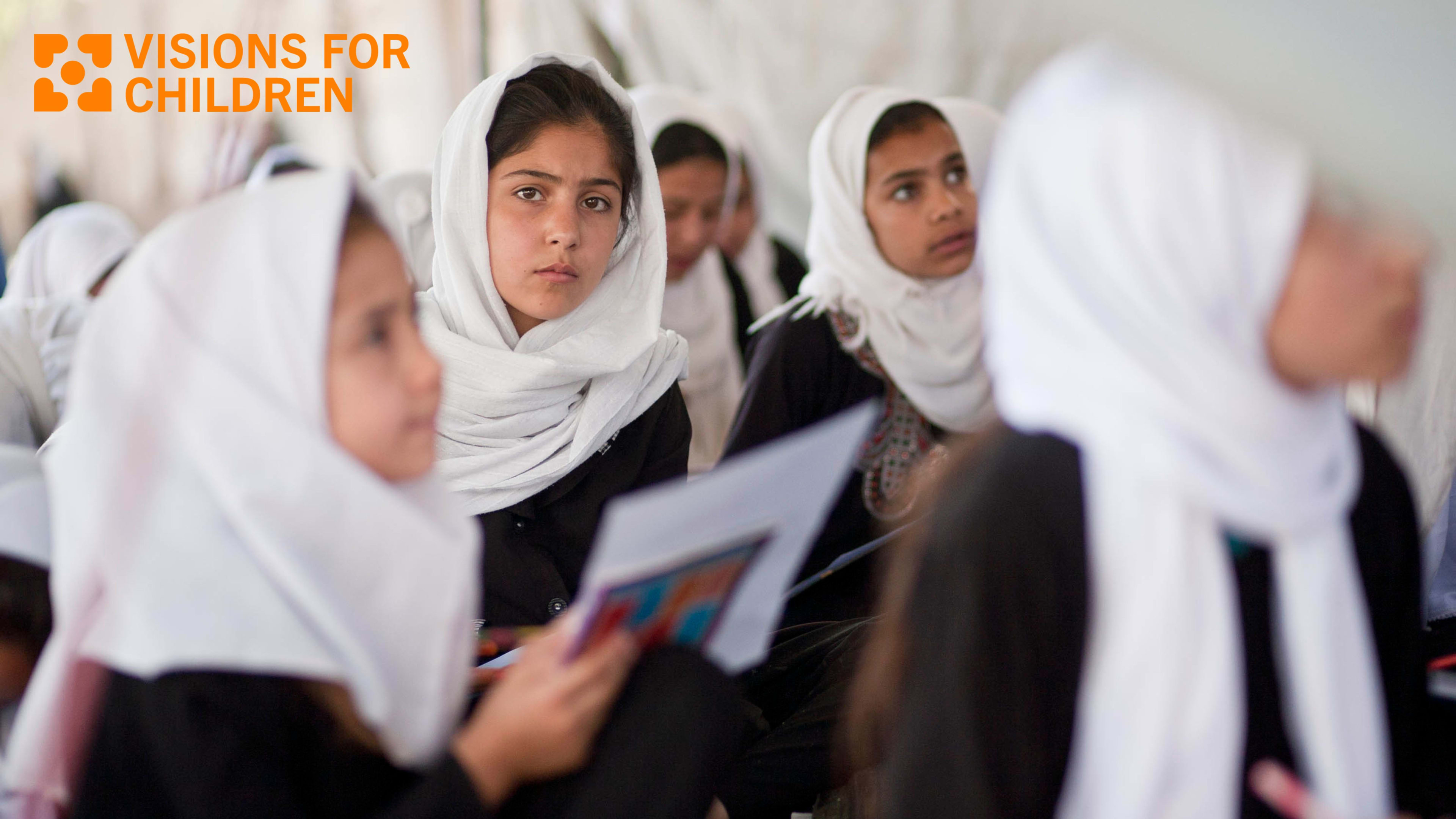
Visions for Children e.V. is a registered non-profit association based in Hamburg, Germany, committed since 2006 to ensuring equal access to quality education. Our vision is a world in which every child can learn to read and write, regardless of origin, gender, or social status. We understand education as the foundation for self-determination, social participation, and sustainable development. Our work aligns with Sustainable Development Goal 4 of the United Nations Agenda 2030, which calls for inclusive, equitable, and quality education for all. We regard schools as anchor institutions for regional development: where safe learning environments and quality teaching are ensured, stability, opportunity, and long-term social progress can emerge.
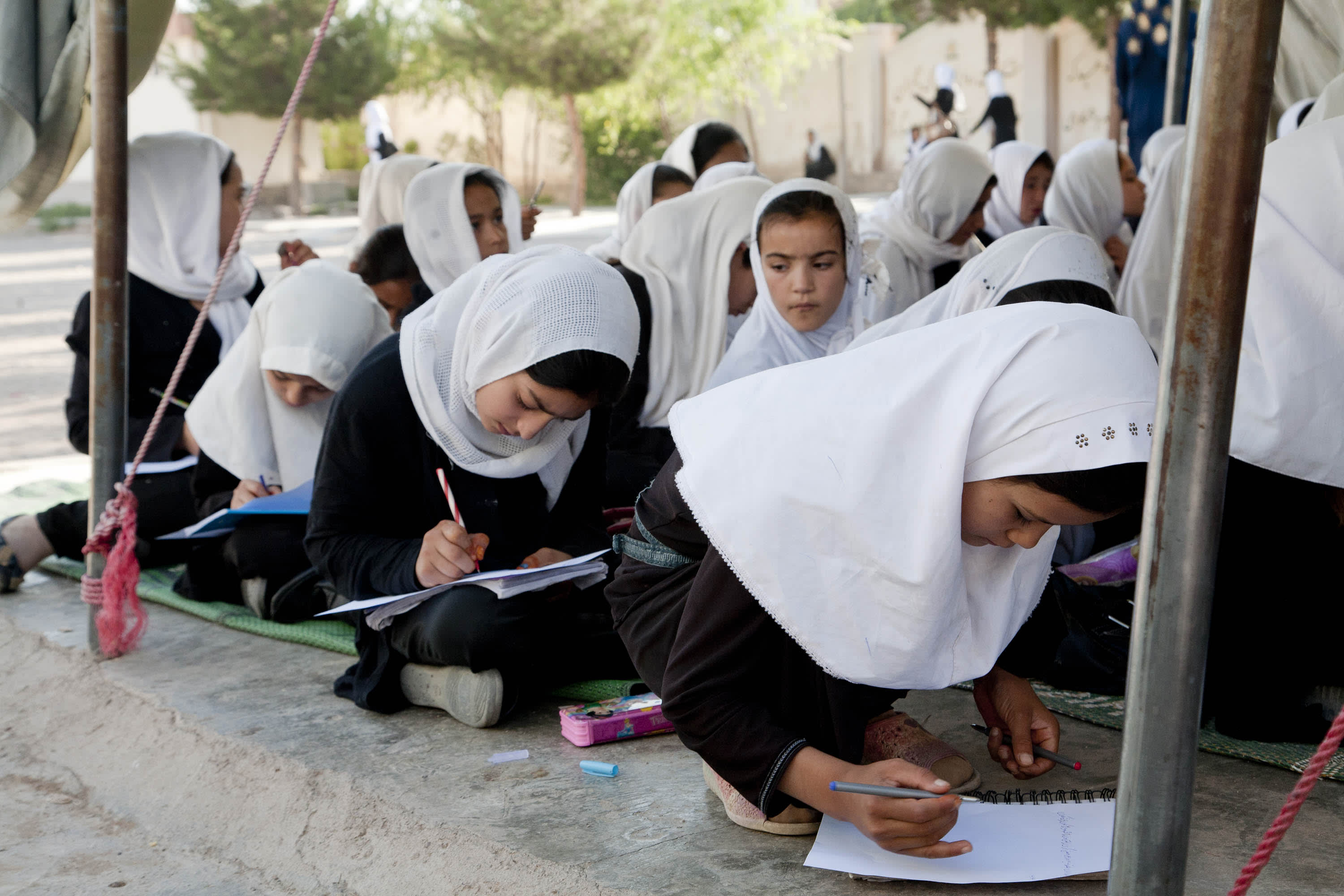
Millions of children worldwide lack access to quality education, particularly in crisis- and conflict-affected regions characterized by political and economic instability. Missing or damaged school buildings, inadequate sanitation facilities, insufficiently trained teachers, and a lack of learning materials hinder sustainable educational outcomes. Even where children are formally enrolled, foundational competencies often remain out of reach. Our work therefore focuses specifically on disadvantaged children in fragile contexts, where structural poverty and instability threaten educational pathways.
Our approach combines infrastructure development, pedagogical quality, and health-promoting conditions into a holistic education model. We create safe and functional learning spaces, construct or renovate school buildings using local materials and in compliance with national standards, and ensure durability, professional site supervision, and clearly defined maintenance responsibilities. Formal agreements with school management and relevant authorities secure long-term use and institutional recognition of the facilities. In parallel, we invest in teacher training, conduct workshops on hygiene and health, and strengthen participatory structures within school communities. School committees receive training in maintenance and organizational management to ensure sustainability. Through this combination of infrastructure and capacity building, learning conditions improve sustainably, attendance and motivation increase, educational continuity is strengthened, and dropout rates decline. We understand impact orientation as a continuous learning process based on thorough needs assessments, monitoring, evaluations, and close cooperation with local partner organizations.
The roots of our engagement lie in Afghanistan. Following a visit by the founders to a school in Kabul marked by severe infrastructural deficiencies, the initiative for sustainable support was launched in 2006. Despite challenging political conditions, we continue to implement comprehensive education projects in Afghanistan. Working in fragile contexts requires careful risk analysis, flexibility, and strong local partnerships, which we have developed over nearly two decades. In addition to school-based education, we complement our work with vocational qualification programs that provide particularly vulnerable individuals with long-term economic perspectives.
Visions for Children works exclusively with local partner organizations and actively involves target groups in project planning and implementation. Our initiatives build on existing structures and respect cultural contexts. We do not see ourselves as external “saviors,” but as equal partners. Our communication follows human rights-based and anti-racist principles: people are portrayed with dignity, suffering is not instrumentalized for fundraising, and local actors are placed at the center. We operate independently of political, religious, or ethnic interests.
As a registered non-profit organization, we adhere to binding standards in governance, transparency, fundraising, and financial management. We publish annual activity and financial reports to ensure accountability and clearly document sources and use of funds. Financial decisions follow the four-eyes principle and are based on clearly defined authorization and procurement guidelines. Purchases are conducted through transparent procedures with comparative offers; payments are generally made in installments and linked to verifiable progress. Volunteer members are closely involved in oversight and decision-making processes and independently review budgets and expenditure structures without personal interest in individual project spending. This structural independence strengthens objective and ethically sound financial management.
Our donor policy is based on transparency, voluntary support, and purpose-bound funding. Donations are used exclusively in accordance with our statutory objectives. Donors have the right to access reports and receive information about the organization’s structure and operations. Earmarked donations are implemented strictly within the agreed framework; if implementation becomes impossible, we communicate transparently about alternatives. Data protection and responsible handling of personal information are of highest priority. We reject funding from industries or business models that contradict the protection and rights of children and communicate openly that reasonable administrative and fundraising costs are necessary to ensure quality and sustainable impact.
Risk mitigation is an integral part of our project management, particularly in fragile contexts. Before project initiation, we conduct structured needs and risk assessments. Memoranda of Understanding with school management and education authorities define responsibilities for long-term use and maintenance of infrastructure. Contracts with partner organizations and construction companies set clear performance requirements and accountability standards. Payments are linked to construction progress and final inspections ensure quality. Political and security developments are continuously monitored; projects can be adapted or paused if necessary. Currency and price fluctuations are addressed through realistic budgeting and contingency reserves. In addition, members of our team regularly travel to project regions to gain first-hand insight into progress and challenges and to meet with partner organizations and school communities on site.
Since our founding, we have constructed 14 schools, worked at 99 schools overall, and reached more than 90,823 students and 2,463 teachers. In 2024, we generated €1.57 million in donations. Our lean organizational structure enables efficient project implementation while maintaining high governance standards.
Despite nearly 20 years of experience, we continuously evolve our internal structures. We are increasingly adopting agile working methods, promoting cross-functional collaboration, and deliberately moving away from traditional hierarchical decision-making models. Our goal is to foster a learning organization in which responsibility is shared, competencies are strengthened, and decisions are made transparently.
Looking ahead, we will continue refining our holistic approach, deepening sustainable literacy and quality education programs, and strengthening safe learning environments in underserved regions. Our long-term objective remains to empower children through education so that they can shape independent and self-determined lives and positively contribute to their communities.
🫀