LifeStraw by Vestergaard

LifeStraw Safe Water Fund

LifeStraw operates the Safe Water Fund, a 501(c)3 project, to support the provision of safe water where it is needed most.

26
DonateStart a fundraiser
Help us expand our reach

The Safe Water Fund operates as a 501(c)(3) project, supporting the implementation of long-term, sustainable safe water programs worldwide. We partner with grassroots organizations and local leaders to identify and reach communities and families most in need.

In addition to our retail-funded Give-Back program, the Safe Water Fund provides safe water during humanitarian emergencies and natural disasters. We also lead special initiatives in the cities where our employees live, including at our headquarters in Baltimore City, and participate in Giving Tuesday efforts each year.

100% of donated funds go directly toward products and the distribution of safe water supplies. Vestergaard Frandsen, Inc. (d/b/a “LifeStraw”) does not profit from your donation.

The Safe Water Fund operates through a fiscal sponsorship with Players Philanthropy Fund, a Texas nonprofit recognized by the IRS as a tax-exempt public charity under Section 501(c)(3) of the Internal Revenue Code (Federal Tax ID: 27-6601178, ppf.org/pp). Contributions to the Safe Water Fund qualify as tax-deductible.

Your contribution helps us bring safe drinking water to more families.

Thank you for your support!

Baltimore, MD
lifestraw.com/pages/donate-safe-water
Players Philanthropy Fund - PPF logo
LifeStraw Safe Water Fund is hosted at Players Philanthropy Fund - PPF

Fundraisers

Feed fundraiser card link to Safe Water for Earthquake Survivors in Venezuela
LifeStraw by Vestergaard
Official fundraiser

Safe Water for Earthquake Survivors in Venezuela

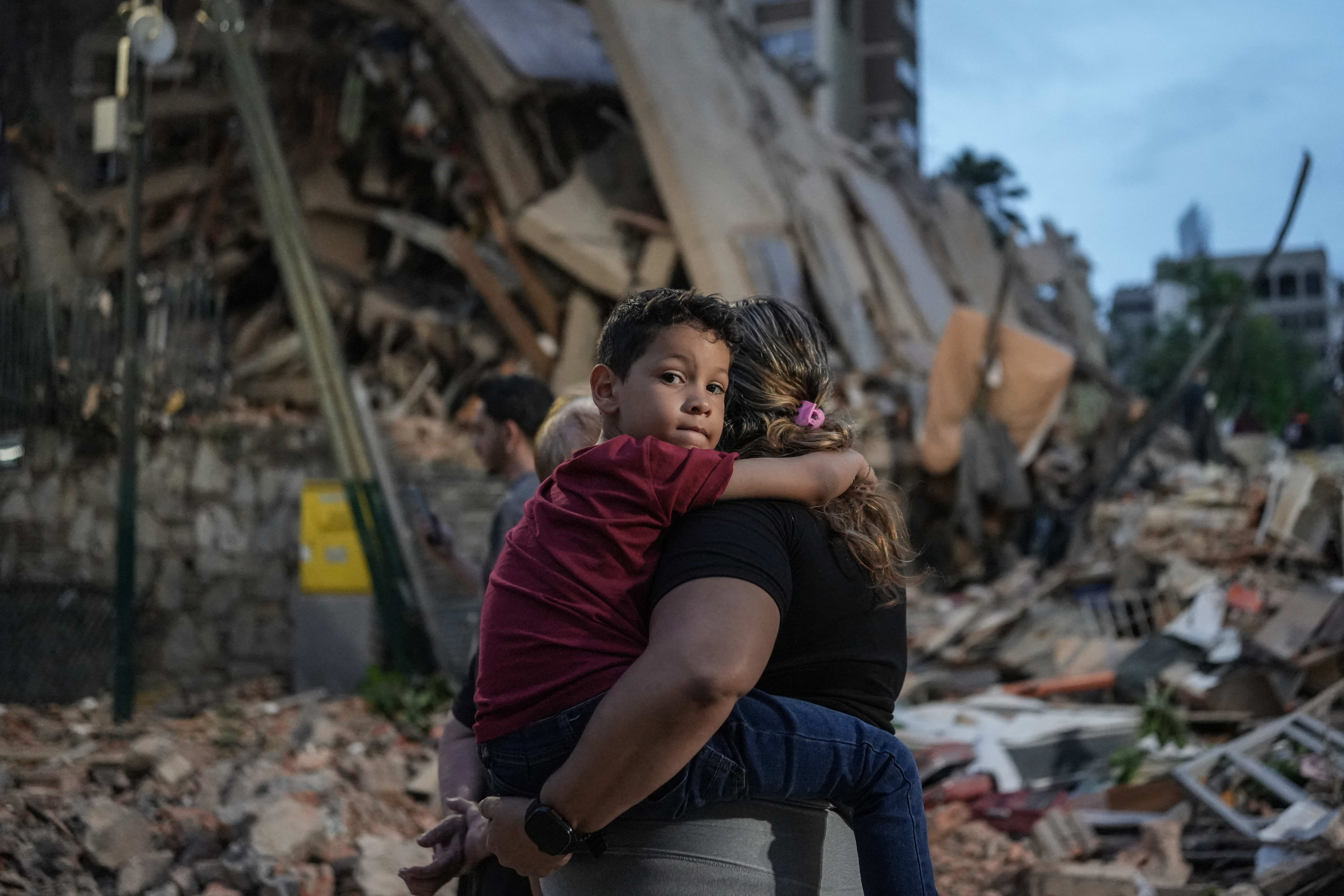
A single LifeStraw Community purifier provides safe water for up to 100 people. We are seeking your support to provide LifeStraw filters and purifiers to the people of Venezuela. Survivors in the north-central region of the country have been significantly affected by recent earthquakes and need access to safe water as soon as possible. On Wednesday evening (June 24,2026), two earthquakes struck north-central Venezuela 39 seconds apart, measuring 7.2 and 7.5 in magnitude. The coastal state of La Guaira has been declared a disaster zone. Dozens of buildings have collapsed in La Guaira and the capital, Caracas, and a. Acting President Delcy Rodríguez has confirmed at least 164 people dead and 971 injured, with both numbers expected to rise. T, and the U.S. Geological Survey's modeling suggests fatalities could reach the  tensthe tens of thousands. Many of the hardest-hit communities were already facing severe economic hardship before the ground shook. Now access to water, shelter, healthcare, and other basic services has been heavily disrupted across the affected areas. When water systems fail, safe drinking water becomes one of the most urgent needs. Stagnant water and damaged infrastructure create the increased opportunityconditions for waterborne illness to spread. Children, the elderly, and the sick are the most vulnerable. LifeStraw already has trusted partners already on the ground. Fundación Chamos has worked with us for several years through our Give Back school programs in Venezuela. ,Their team and their team in Caracas is safe and already actively connecting with community leaders and local partners to assess where help is needed most. World Central Kitchen is mobilizing to serve hot meals and provide safe water to affected families and first responders as quickly as possible. LifeStraw will donate filters and purifiers to both organizations for distribution to survivors. We also have product in-country: 300 LifeStraw Community purifiers and 120 LifeStraw Family filters will be mobilizing shortly will be mobilized to support the people affected by this emergency. Chamos is identifying the highest-priority aid centers and communities for distribution now. We will keep donors updated as the response develops and as Chamos and our team finalize the deployment plan on the ground. Thank you for helping us get safe water to people in Venezuela. 100% of donated funds go toward the cost of products and distribution of supplies. Vestergaard Frandsen, Inc. (d/b/a "LifeStraw") does not profit from your donation. LifeStraw's Safe Water Fund operates through a fiscal sponsorship with Players Philanthropy Fund, a Texas nonprofit corporation recognized by the IRS as a tax-exempt public charity under Section 501(c)(3) of the Internal Revenue Code (Federal Tax ID: 27-6601178, ppf.org/pp). Contributions to LifeStraw's Safe Water Fund qualify as tax-deductible. Photo credit: Manaure Quintero / Getty Images
Raised
$17,340
Goal
$15,000
192 supporters
Donate
Feed fundraiser card link to SafiCycle Menstrual Health Program
LifeStraw by Vestergaard
Official fundraiser

SafiCycle Menstrual Health Program

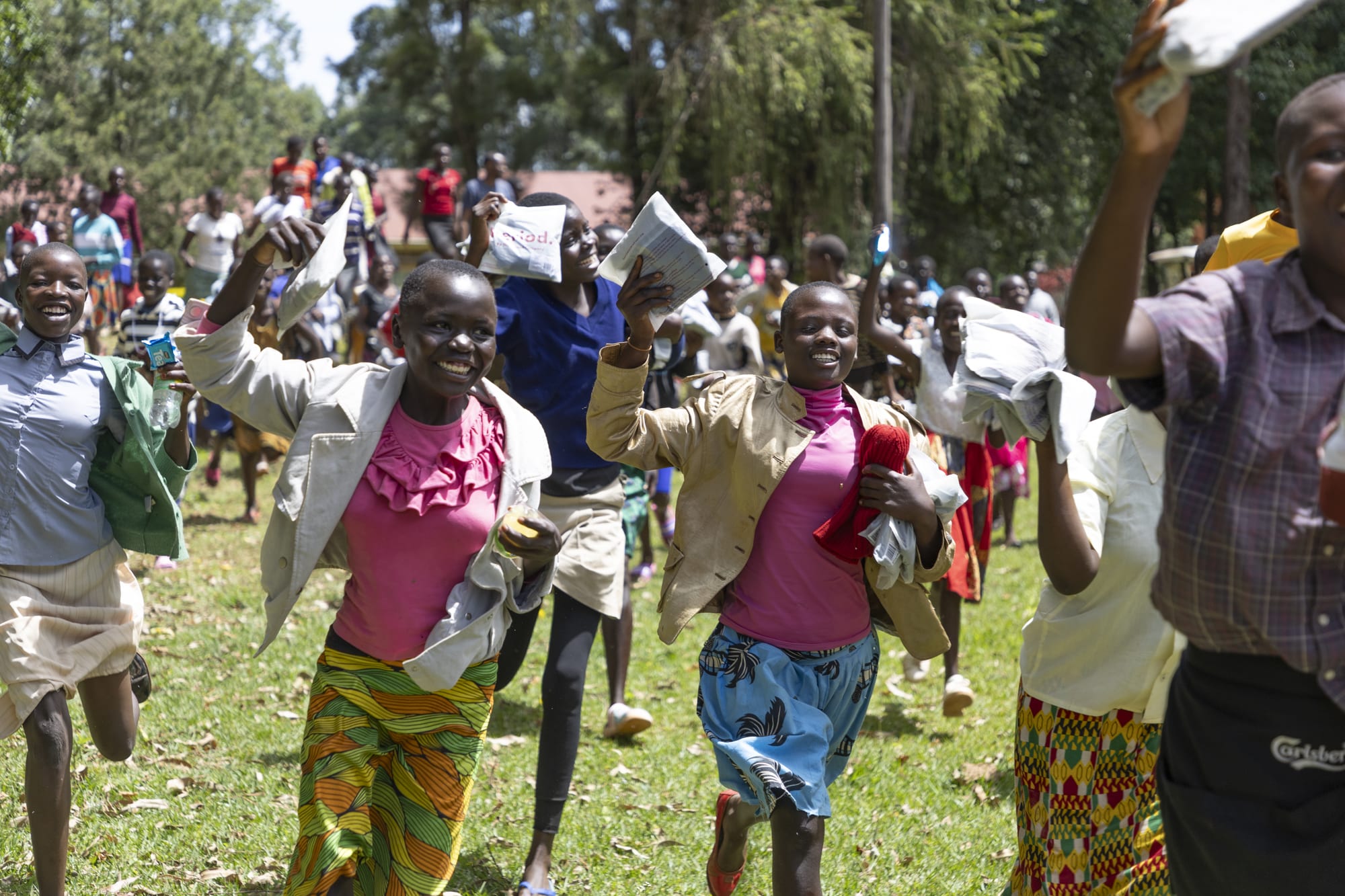
Periods should never hold girls back. At LifeStraw, we believe that a period should mark progress, not pause a girl's potential. SafiCycle, a movement run by LifeStraw, is breaking barriers, protecting health, restoring dignity, and keeping girls in school across Kenya. This isn't just a program, it's a long-term solution for education, health, and dignity. The Program In 2023, we launched SafiCycle in Western Kenya—reaching over 1,750 adolescents with reusable menstrual underwear and comprehensive reproductive health education. The SafiCycle Menstrual Hygiene Program aims to improve menstrual health and hygiene management for adolescent girls in rural areas. The program is designed to provide access to safe, sustainable menstrual products, education on proper menstrual hygiene practices, and break down the stigma around menstruation.​ Our goal is to empower adolescents with the knowledge and resources they need to manage their menstrual hygiene effectively, without fear or shame. We believe that by doing so, we can help improve their health, well-being, and overall quality of life.​ SafiCycle is about fostering understanding within communities. Our programming includes educating boys and men to break down stigma and promote empathy, creating a more inclusive society. The Challenges Adolescents across the globe are often unprepared for the onset of menstruation; they regularly lack materials for hygienically catching blood, facilities for changing and disposing of menstrual waste, spaces and supplies for the cleaning of reusable menstrual materials, and proper menstrual health and hygiene information and education. ​ 65% of adolescent girls in Kenya cannot afford menstrual hygiene products, and often resort to using rags or other fabric or paper scraps for all their hygiene needs.​ Many schools lack proper sanitation facilities to address menstruation needs (including a safe, clean private location to change their menstrual products; a private and environmentally-friendly place to discard pads; and soap and clean water to wash hands afterwards). ​ Just 32% of rural schools in Kenya have a private place for girls to change their menstrual products. The Negative Impacts Studies from Kenya find that schoolgirls engage in transactional sex to pay for menstrual products and other basic needs. In rural Western Kenya, 2 out of 3 pad users receive pads from sexual partners. One study revealed that as many as 10% of 15-year old girls were having sex to pay for period products. Poor menstrual hygiene can pose serious health risks, like reproductive and urinary tract infections which can result in future infertility and birth complications. In Kenya, it is estimated that girls lose an average of 4 days of school a month due to complications managing menstruation. This costs them 165 learning days over four years of high school. ​ The Solutions By providing safe, reusable menstrual hygiene panties, girls can stay in school longer, stay safe from infection, and stay out of the transactional environment of trading for period products. By wearing the panties even when not menstruating, it minimizes the risks for ‘embarrassing’ leaks – encouraging girls to attend school even when it’s around the time of their menses. ​Reusable period panties only need to be changed every 12 hours, so one pair can last the entire school day. ​They are less conspicuous than reusable pads, so can reduce the shame and stigma of properly washing and drying the products. ​ Your Support LifeStraw is on a pathway to expand SafiCycle to cover 100,000 girls in the next five years. Your contributions can help us reach this milestone. $15 gives one girl one year of dignity through SafiCycle $45 covers one girl, with three years of support $450 transforms an entire classroom $7,500 empowers an entire school $75,000 impacts an entire school system 100% of donated funds go toward the cost of products and distribution of supplies. Vestergaard Frandsen, Inc. (d/b/a “LifeStraw”) does not profit from your donation. LifeStraw’s Safe Water Fund operates through a fiscal sponsorship with Players Philanthropy Fund, a Texas nonprofit corporation recognized by the IRS as a tax-exempt public charity under Section 501(c)(3) of the Internal Revenue Code (Federal Tax ID: 27-6601178, ppf.org/pp). Contributions to LifeStraw’s Safe Water Fund qualify as tax-deductible.
Raised
$83,842
Goal
$500,000
257 supporters
Donate

Donors

  • Taylah Cowling
    To the fundraiser: Safe Water for Earthquake Survivors in Venezuela
  • Robert J Isacsen