
Women's Health Organization - Sierra Leone (WHSO-SL)
250 Women-owned enterprises in the rice value chain empowered in 2 districts to boost processing,sales &competitiveness in 3years
250 Women-owned enterprises in the rice value chain empowered in 2 districts to boost processing,sales &competitiveness in 3years
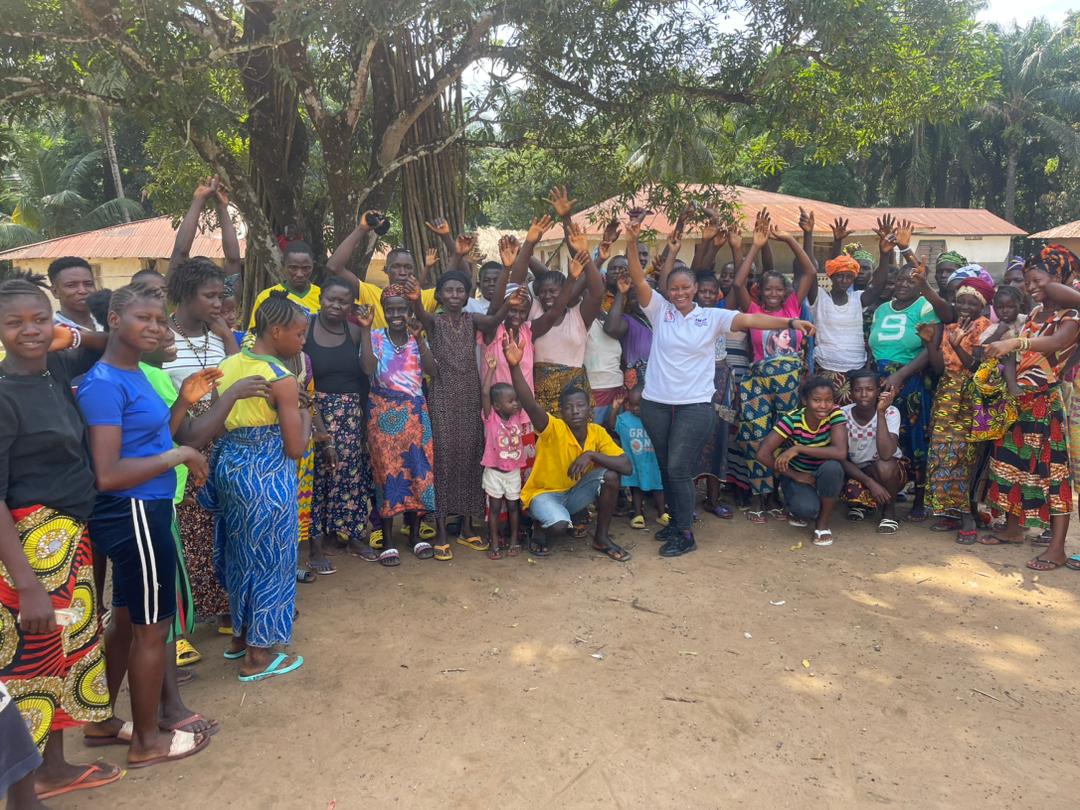
The Women’s Health Organization-Sierra Leone (WHO-SL) is a Youth-Led Community-Based Organization (CBO) that empowers smallholder farmers, especially women and youth, in rural communities in Sierra Leone. The organization helps them build climate-resilient farms and sustainable businesses while tackling barriers that prevent women from owning land and running successful agricultural enterprises. Women’s Health Organization Sierra Leone (WHOSL) has supported 500 smallholder rice farmers in Sierra Leone with essential tools and agricultural inputs. The initiative focuses on boosting rice cultivation in Inland Valley Swamps across Bombali and Karene districts in the northern region of Sierra Leone. Distributed items include swamp rice seed, wheelbarrows, hoes, cutlasses, shovels, safety kits, and other equipment to strengthen women farmer groups identified by stakeholders in targeted chiefdoms across the two districts.
WHO-SL focuses on three key climate-related challenges: improving farming knowledge, securing women’s land rights, and supporting sustainable small businesses led by women in the rice industry. Through community outreach and policy advocacy, the organization raises awareness about discriminatory norms, traditions, and laws that limit women’s opportunities. In 2022, after years of advocacy with lawmakers and local leaders, women gained the legal right to own land under the Customary Land Rights Act and the Gender Equality and Women’s Empowerment Act. This marked a major milestone in the fight for gender equality in Sierra Leone. WHO-SL has strengthened women's understanding of the Customary Land Rights Act through lobbying efforts to gain government support for its legal adoption in Sierra Leone.
Additionally, WHO-SL’s work has strengthened community resilience since 2018, with 50 villages becoming better prepared to cope with climate shocks and other crises. Moving forward, WHO-SL plans to expand its efforts by helping more women farmers access land, training, and resources to grow sustainable businesses, advocating for fair policies, and supporting women-led agribusinesses. With a dedicated team which comprised of local experts with Diplomas, Degrees and Masters holders in Community Development Studies, and community leaders, WHO-SL is uniquely positioned to drive this change, with deep ties to the people we serve in rural communities, WHO-SL is committed to creating lasting change by scaling up climate smart farming activities, strengthening our partnerships with local government and traditional leaders, and supporting women-led cooperatives in the rice value chain ensuring women have the tools, rights, and opportunities to thrive in a changing climate.
Our Theory of Change:
IF :
THEN:
• There will be an improved performance of WSEs in rice production
BECAUSE, the WSEs project will contribute to improved engagement of women entrepreneurs in the post-production segment of the rice value chain.
Sierra Leone stands at a critical crossroads where economic growth coexists with profound structural fragility. Despite GDP growth averaging 4.7% between 2021-2023, over 57% of the population lives below the poverty line, and the nation ranks 189th out of 191 countries on the UNDP Human Development Index, reflecting systemic deficits in health, education, and living standards. Agriculture employs 54% of the workforce and contributes 60% of GDP, yet this sector represents untapped potential for transformative development.
Food insecurity persists despite agricultural dominance. Sierra Leone ranks 110th out of 113 countries on the Global Food Security Index, with rice the nation's premier staple at the crisis epicenter. Annual per capita consumption of nearly 190 kg positions Sierra Leone as the 4th highest rice consumer globally, yet domestic production falls far short, necessitating imports of approximately 400,000 tons annually. This dependency drains foreign exchange reserves, exposes the population to volatile global markets, and undermines economic sovereignty and resilience.
The rice value chain confronts compounding environmental and operational challenges. Climate change intensifies flooding events that devastate paddies, erode land, and destroy critical infrastructure. Post-production activities threshing, winnowing, parboiling, drying, and milling remain predominantly manual, reliant on outdated technologies and inefficient methods. The absence of robust quality standards results in poor-quality rice, high operational costs, compressed margins, and diminished competitiveness against imports. Consequently, local farmers and enterprises engaged in post-production capture minimal value, perpetuating poverty and vulnerability.
Women constitute the invisible engine of Sierra Leone's rice value chain, investing more hours than men in production and dominating post-harvest processing and marketing. Yet women-owned enterprises face interlocking barriers that constrain advancement: prohibitive interest rates exceeding 20% per annum and collateral requirements that exclude women lacking formal land titles; limited financial management and business development skills; customary laws and patriarchal norms restricting access to land and productive resources; underrepresentation in rural organizations excluding them from decision-making; and weak linkages to private-sector value chains that isolate them from commercial networks and technical support.
The WSEs project will deliver enterprise-level support empowering women-owned businesses to upgrade operations, access finance, build capacity, and forge sustainable market linkages. This layered approach ensures agricultural investments translate into tangible, gender equitable outcomes, moving beyond production increases to encompass meaningful economic empowerment, job creation, and poverty reduction.
The confluence of Ebola, post-COVID disruption, Ukraine conflict-induced inflation, a 60% depreciation of the Leone, cost-of-living protests, and intensifying climate impacts has heightened vulnerability while creating political will for agricultural transformation. The WSE Project seizes this moment to deliver evidence-based, scalable solutions that address root causes of gender inequality, enhance food security, generate sustainable livelihoods, and contribute to Sierra Leone's broader development aspirations. By investing in women entrepreneurs as agents of change, we catalyze multiplier effects that strengthen communities, bolster national food sovereignty, and advance progress toward the Sustainable Development Goals.
The WSEs Project will catalyze transformative, multi-dimensional impacts that extend far beyond individual enterprises, reshaping the economic landscape for women in Sierra Leone's rice value chain while generating significant environmental and social benefits. At the direct level, the project will empower 250 women-led enterprises across two districts to achieve sustained business growth, with anticipated revenue increases of at least 40-60% through improved processing efficiency, product quality, and market access. These 250 businesses will generate at least 5,000 direct quality jobs, predominantly for women and youth, while supporting 30,000 indirect livelihoods across the value chain, including suppliers, transporters, distributors, and service providers. This job creation represents a critical intervention in a country where over 57% of the population lives below the poverty line, injecting sustainable income streams into vulnerable communities and reducing dependence on volatile informal economies.
Beyond economic metrics, the project will drive systemic gender transformation by dismantling the structural barriers that have historically excluded women from value chain leadership. Through community dialogues, policy advocacy, and financial institution capacity building, the project will shift entrenched socio-cultural norms, improve women's access to land and productive assets, and create an enabling environment where women entrepreneurs can thrive. These changes will have lasting ripple effects: increased household incomes will improve nutrition, health, and educational outcomes for children; women's economic empowerment will enhance their decision-making power within households and communities; and the visibility of successful women entrepreneurs will inspire future generations, creating a virtuous cycle of women's advancement.
At the regional level, the project's integrated, gender-transformative model offers a replicable blueprint for agricultural development across West Africa, contributing to regional food security, reducing import dependency, and advancing progress toward multiple Sustainable Development Goals, particularly SDG 1 (No Poverty), SDG 2 (Zero Hunger), SDG 5 (Gender Equality), and SDG 8 (Decent Work and Economic Growth). By investing in women as agents of change, the WSEs Project will not only strengthen Sierra Leone's rice sector but also build a foundation for inclusive, resilient, and sustainable economic development that can be scaled across the sub-region.
Donate or start a fundraiser


