Sentinel
Sentinel transforms pandemic prevention and response through cutting-edge technology, global collaboration, and local empowerment.
Sentinel transforms pandemic prevention and response through cutting-edge technology, global collaboration, and local empowerment.
Infectious disease outbreaks have caused more illness, death, and economic loss than any other crisis in history. Pathogens kill millions of people each year and hit the most vulnerable communities the hardest. They go further—exposing and exploiting the deepest cracks in our societies and the risks are rising.
The forces driving pandemics are accelerating. Climate change is increasing human exposure to pathogens through animals and insects. Habitat encroachment and industrial agriculture are raising the risk of spillover. Global trade and travel speed disease spread, while conflict and instability weaken health systems. New biotechnologies pose engineered threats that current systems cannot detect. Over the past decade, the number of epidemics has grown by 20% worldwide. Between February and June 2025 alone, more than 70 outbreaks were reported across Africa. Yet global readiness is faltering. In the past year, U.S. investments in frontline health systems and disease surveillance have been sharply reduced. Funding cuts have disrupted networks and delayed the deployment of critical tools, especially in regions most vulnerable to outbreaks. Health programs across West and Central Africa now face rising threats with fewer resources and limited external support, leaving the world more exposed- with some experts estimating the probability of a pandemic in the next decade to exceed one in four.
Amid these mounting challenges, we stand at a historic moment of possibility. Sentinel, a pandemic early warning prevention and response program, is built to meet this moment: a locally led, technology-enabled model for proactive public health, integrating diagnostics, data, and training to stop outbreaks before they spread.
Sentinel is an outbreak surveillance framework, designed to detect pathogenic threats in real-time and prepare the global community to stop diseases before they spread. It brings advanced science to the frontlines through a next-generation pandemic prevention system built around three core pillars. DETECT delivers rapid diagnostics and genomic surveillance. CONNECT integrates laboratory, clinical, and genomic data into real-time insights. EMPOWER invests in training, infrastructure, and institutional capacity so countries can lead their own outbreak responses.
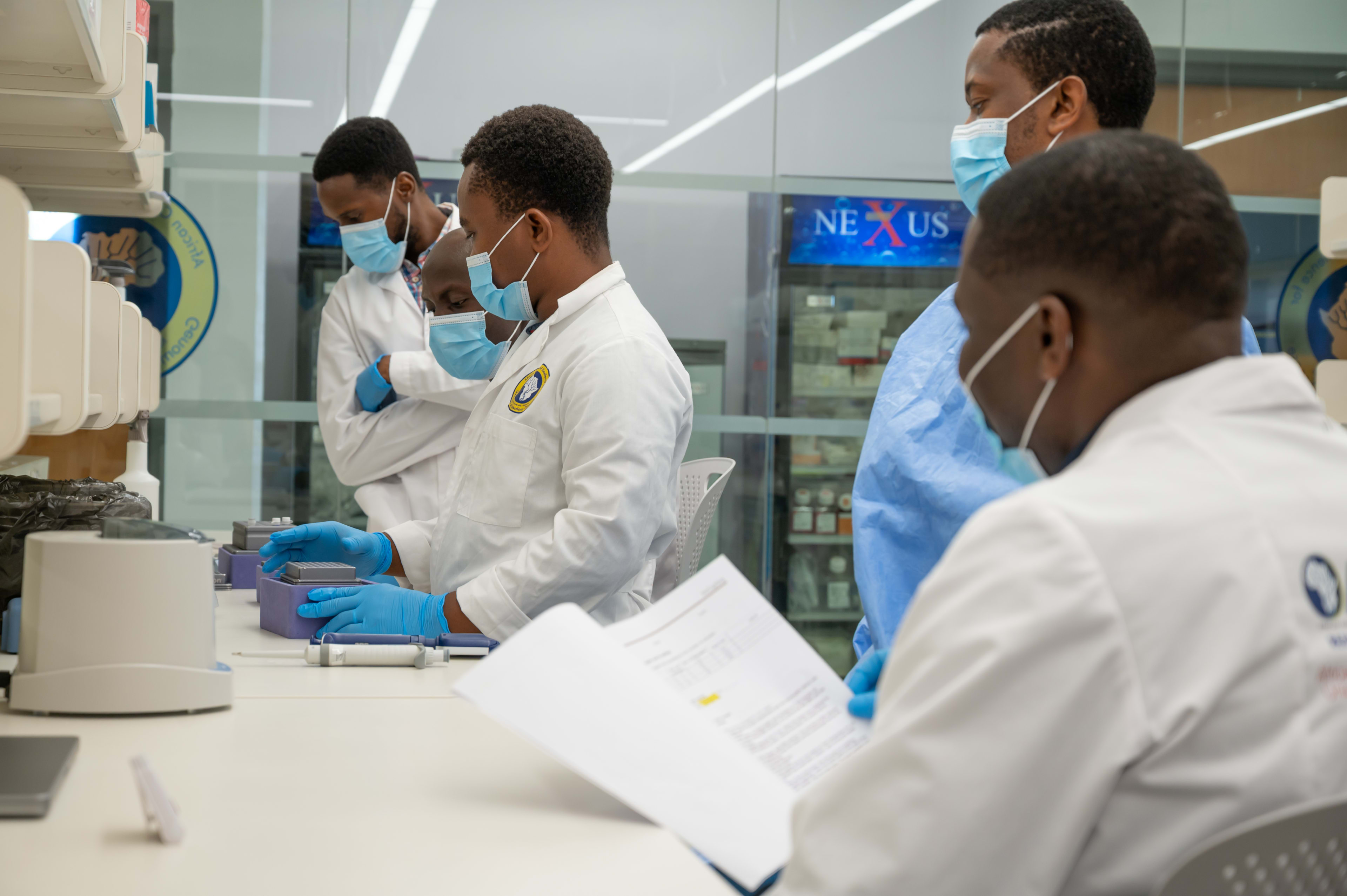
DETECT: Timely diagnostics and sequencing are essential for early outbreak detection and effective response. Yet these capabilities remain limited in many LMICs, even for high-priority pathogens like Lassa, Ebola, and Marburg. Too often, health systems act only after outbreaks are widespread, costing precious time and lives. Sentinel’s DETECT pillar delivers speed, affordability, and accessibility through a tiered approach to diagnostic design and implementation.
CONNECT: Fragmented systems delay response and allow outbreaks to spread unchecked. When data are siloed, public health leaders lose time and visibility, undermining containment efforts. In contrast, integrated systems support faster, more effective action. Sentinel’s CONNECT pillar builds the digital backbone for outbreak response. Through interoperable dashboards and analytic platforms, it streamlines data flow, strengthens each stage of detection, analysis, and control, and enables real-time decision-making.
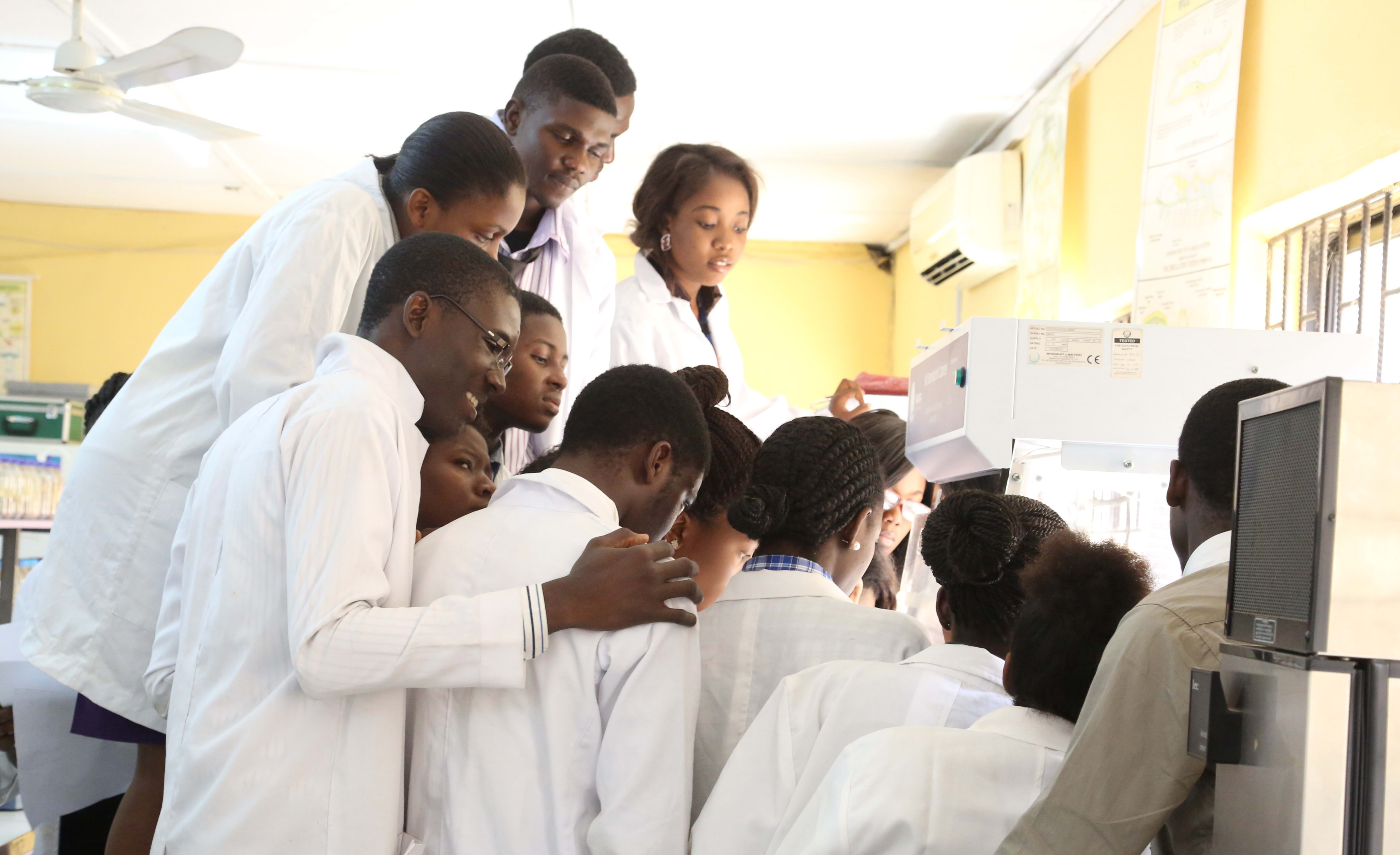
EMPOWER: Building local leadership and scientific capacity is central to Sentinel’s mission. Although over 60% of emerging infectious diseases originate in Africa and Asia, fewer than 10% of African countries had genomic surveillance at the start of COVID-19. Africa faces a shortfall of more than one million health workers, including critical gaps in genomics and data science. Sentinel’s EMPOWER pillar builds sustainable, locally led outbreak response by investing in people and communities. It enables local experts to detect and respond early with solutions grounded in context, shortening the path from innovation to public health practice and building resilient systems from within.
The foundation for Sentinel was laid over two decades through a 20-year partnership between Prof. Christian Happi, a Nigerian infectious disease expert, and Prof. Pardis Sabeti, a U.S.-based computational geneticist. Over the years this collaboration has established operational programs in Nigeria and Sierra Leone that connect health workers in rural clinics and hospitals with national and international public health leadership. To date more than 3,000 public health workers from 53 of 54 countries in Africa have been trained through Sentinel’s approach.
Sentinel-supported teams have enabled early detection and rapid response to Marburg, mpox, Lassa, dengue, and COVID-19, providing critical data to inform government action.
COVID-19: Sentinel rapidly expanded genomic and diagnostic capacity across Africa, establishing pipelines with national partners. In March 2020, IGH sequenced Africa’s first SARS-CoV-2 genome within 72 hours of sample receipt. Sentinel supported testing for over 30 million people, deployed SHINE and CARMEN technologies, and led genomic surveillance in 26 countries. This work helped identify one of the first globally recognized variants of concern. Sentinel also trained scientists from 53 African countries, strengthening long-term preparedness. The Sentinel team also led one of the largest diagnostic and sequencing centers in the U.S. and supported global data sharing and informatics efforts.
Mpox: In 2023, Sentinel traced an mpox outbreak in Nigeria to oil workers in Rivers State, guiding the NCDC’s targeted vaccination strategy. Sentinel also hosted a three-week genomics bootcamp that trained regional professionals in real-time sequencing and analysis. Genomic data revealed sustained human transmission of the West African subtype, with signs of adaptation and rising pandemic potential. When an outbreak emerged in Sierra Leone in 2024, local public health teams, supported by Sentinel, initiated sequencing and shared real-time data. Analysis identified a new highly transmissible G.1 variant spreading beyond previously affected groups. Sentinel tools and team members remain central to guiding the national response.
Marburg: In 2024, Sentinel supported the Rwandan government during a Marburg outbreak in Kigali. IGH provided outbreak reconstruction and real- time sequencing, while Prof. Happi co-chaired the national scientific response. The outbreak was contained at 66 cases, with the case fatality rate reduced to 22%, far below historical averages.
Building off of these successes, Sentinel is poised for its next phase: deepening national integration, expanding its reach, and advancing a globally transferable model for pandemic prevention. We will achieve full national implementation in Sierra Leone and move toward this in Nigeria, embedding surveillance into national systems and incorporating a One Health approach that addresses climate-linked and zoonotic threats. Expansion will continue to Senegal, Rwanda, and the Democratic Republic of Congo, where strong partners and readiness are in place. In parallel, we are globalizing Sentinel’s tools, data platforms, and training programs to create a lasting framework for pandemic prevention.
Sentinel will help millions benefit from earlier detection, faster response, stronger systems, and a globally connected early warning network. This is the moment to transform pandemic prevention and safeguard global health security for generations to come.
There will be another pandemic virus in our lifetimes—it may already be here, but our work is about more than stopping disease outbreaks. By empowering people and equipping them with the tools, the system, and the knowledge needed, we create strong and resilient communities for generations to come. Sentinel is about partnership, solidarity, and most importantly, hope!
That's why we believe that with you, we can make an impact.