


Dawa Mobile Health is a last-mile delivery service that works as an add-on to existing health care infrastructure primarily for rural communities. Dawa travels to the villages, collects samples and returns with treatment.
Dawa was founded to address bilharzia, a neglected tropical disease. It is a parasite transmitted through contaminated bodies of water. It causes several severe illnesses, including cancer and infertility. It is detected through urine samples. Now, Dawa works with multiple health conditions including chronic illnesses, maternal and infant health and more.
The Dawa Mobile Health Model
Dawa Mobile Health is a last mile health care solution. Its aim is to deliver effective, affordable, and sustainable health care services to rural communities in Chad. Dawa works in collaboration with existing health care infrastructure and serves as the connection between the services and the target populations.
An agent or nurse travels to the target community, performs basic exams or takes samples, then transports the results back to the regional clinic or hospital for evaluation. Based on the results, the doctor can make a treatment plan or prescribe medication. Dawa focuses on simple tests and treatments such as bilharzia, malaria, as well as chronic illnesses such as tuberculous, diabetes, heart conditions, and monitoring of maternal and infant health.
The purpose is to ensure access to early health care interventions, to increase cost-efficiency, and to improve quality of life.
Dawa works on the principle that, when possible, it is better to transport information rather than people. When possible, the exam or sample can be done in the village, transporting the agent and the results rather than the patient.
Dawa also operates on the principle of using minimally required resources at each step. For human resources, this means that most services do not engage a doctor or even a nurse for physical interaction.
Organizational History
Dawa Mobile Health was founded in 2014 by Dr Didier Lalaye, while still in medical school. During a visit to his hometown, Pala, he noticed many children with clear signs of bilharzia, but no one had recognized that this could be treated.
Without access to lab services, the children could not be diagnosed and therefore not treated. He realized that with simple lab equipment and awareness-raising, these children could be treated very cheaply, avoiding a lifetime of health complications. Dawa launched as a project in the organization Tchad Plus in 2014. It worked in Pala and Torrock.
In 2015, Dr Didier Lalaye started a PhD program at Utrecht University in the Netherlands. He studied bilharzia, including prevalence, complications, diagnostic methods, and treatment, as well as the development of digital health services in Africa. During this time, Dawa has been operating continuously but lightly in Pala. Over 8,000 tests have been administered and over 2,000 cases have been treated in Torrock alone.
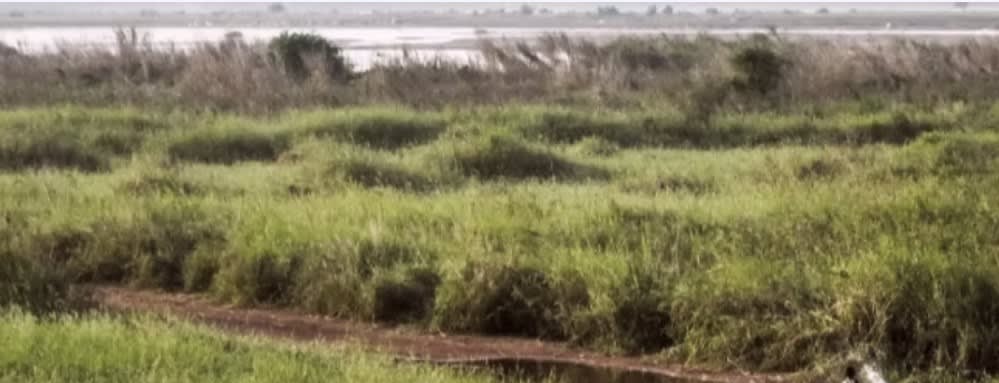
In 2023, Dr Lalaye was ready to return to Dawa full time and applied for funding from Grand Challenges Canada to launch Dawa in the Lac Tchad region. The Lac Tchad region has experienced significant draughts due to climate change which has resulted in more bodies of stagnant water and higher risk of endemic bilharzia. During this project, we have tested 4 500 people and treated 600 positive cases of bilharzia.
The project became a pilot for a new partnership model where we collaborate with the regional hospital and provide the last-mile services the current system lacks. This model has proven to be highly affective while low-cost, adding maximum value for the incremental funding. We have also piloted services in maternal health, tuberculosis, and medication delivery.
Internal Organization
Dawa originally had a board of directors, but this structure became ineffective as the operations changed so Dawa changed its operating structure in 2022 to only have an executive board. We are now working on reestablishing a board to be able to ensure overall responsibility of the organization as well as strategic leadership. This will be finalized end of 2025.
Partnerships
Dawa Mobile Health has partnerships at the core of the operations. International experts from Leiden University and the Utrecht University Medical Center have been close partners for Dawa since its launch. This has anabled Dawa to incorporate research into the operations, allowing us to develop new knowledge as well as more cost-effective delivery solutions.
Scalability
Dawa currently operates in Chad but believes the model can serve similar markets across the Sahel, whose rural population of 63 million people are among the most underserved people in the world.
Dawa’s singular focus on this challenging market ensures reliability in delivery despite complicated and changing conditions.

Become a supporter!
Donate or start a fundraiser