
Diagnostic Lab Critically Needed for Health Center in Mali
- Raised
- $4,450
- Goal
- $10,000
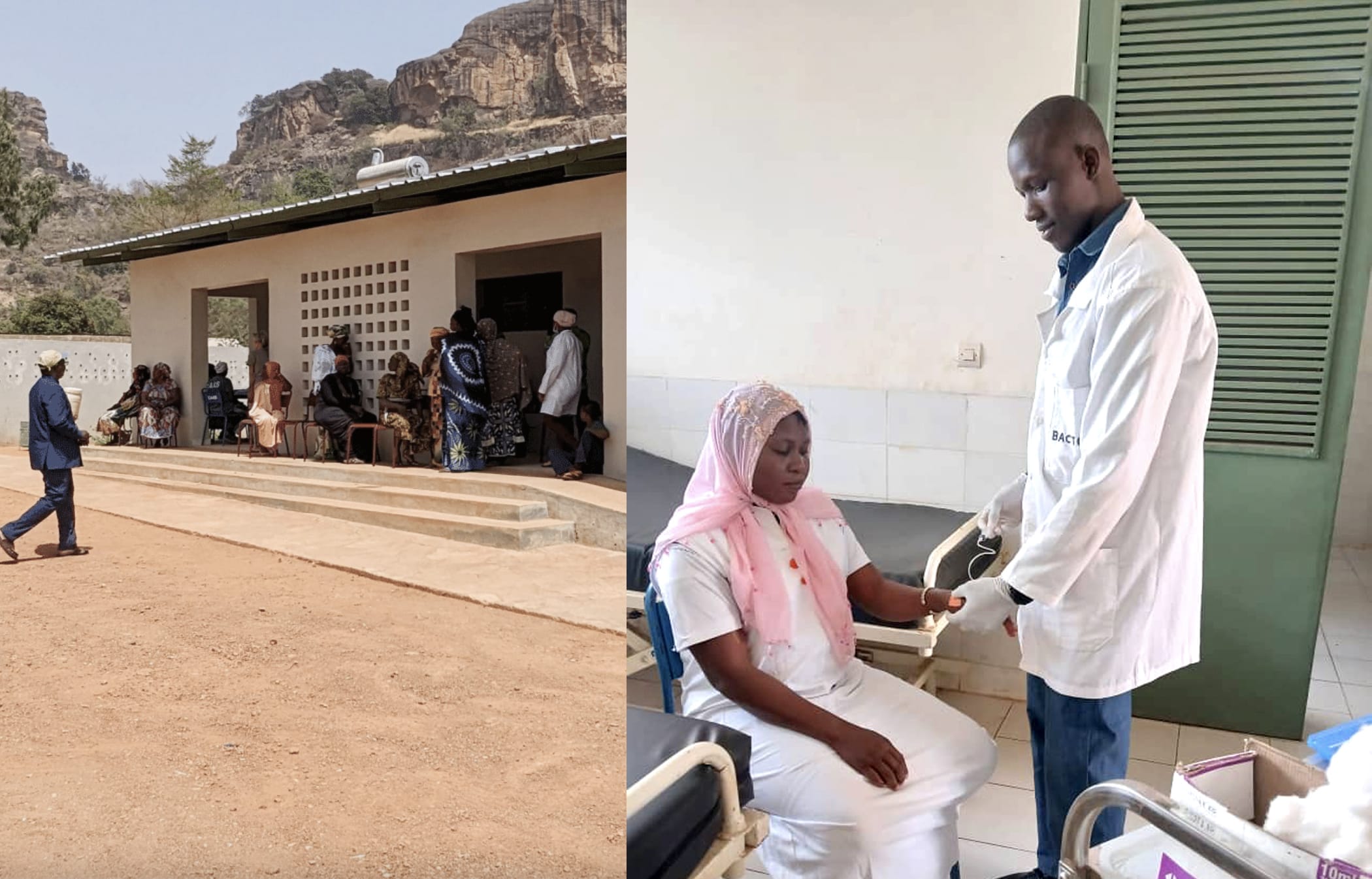
The village of Kalassa in southern Mali has a communal health center that desperately needs an upgrade.
The center, which is run by a team of medical professionals, currently lacks a diagnostic lab to test for infectious diseases, like typhoid fever and malaria. Testing is only available if patients travel long distances. A local lab would upgrade care by providing
- accurate diagnosis and proper treatment
- faster intervention, especially critical for children and pregnant women
- reduced transmission of infectious diseases
- income that stays in the village, strengthening the center’s sustainability
- life-saving capacity during the rainy season, when both typhoid and malaria cases surge
The laboratory will finance itself through test fees, which patients already pay for elsewhere, while also incurring the cost of travel.The only barrier to establishing the lab is the initial investment in equipment and setup.
The clinic management committee has been systematically saving to realize the goal of a small diagnostic laboratory that can test for malaria and typhoid on site. Given the urgency and the clear medical benefits of on-site diagnostics, we hope to accelerate this process and establish the laboratory sooner.
General information about the Kalassa Health Center
The Health Center is a communal health centre licensed by the Malian State. It is managed by a small, effective management committee, consisting of the nurse, midwife, two representatives from the village, and the administrative secretary of CAAS, who is trained in business administration. Together, the committee has built an operation that is transparent, reliable, and financially sustainable. Before renovation and extension in 2022, the existing maternity ward in the center of Kalassa had also functioned as an infirmary, but its capacity and hygienic conditions were inadequate. CAAS fully renovated the building and added a second facility to separate treatment of infectious diseases from childbirth and to enable preventive medical care. The new treatment building includes two patient rooms, a doctor’s office, a treatment room, and a pharmacy.
The pharmacy has become a central element of the CAAS Health Station. It provides most of the income that makes the Health Station self-supporting, a noteworthy development as the center previously required external subsidies. Prices for consultations and medicines are fair and appropriate for local conditions.
